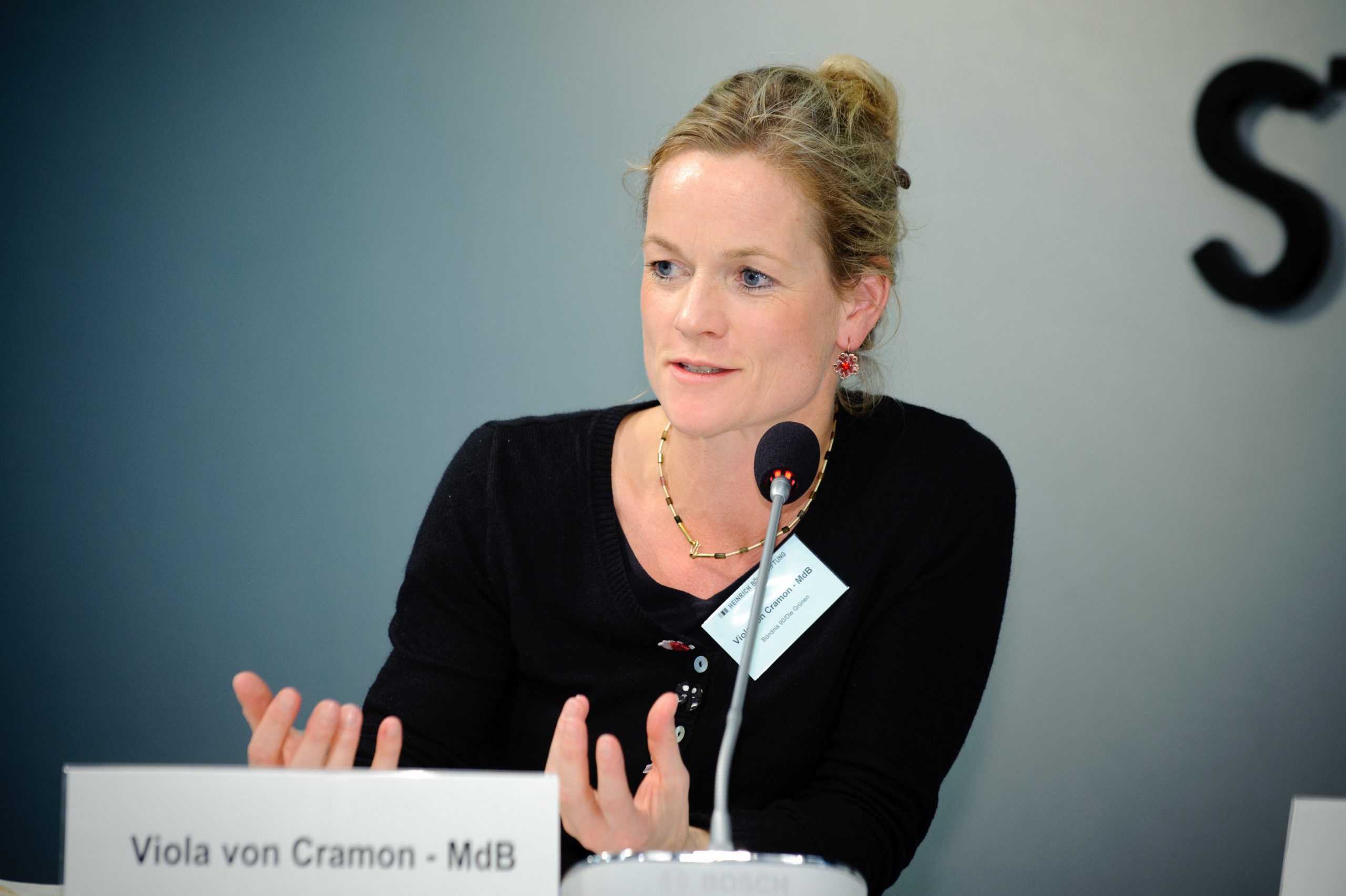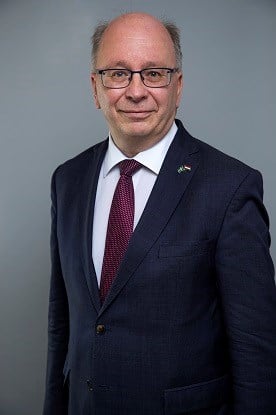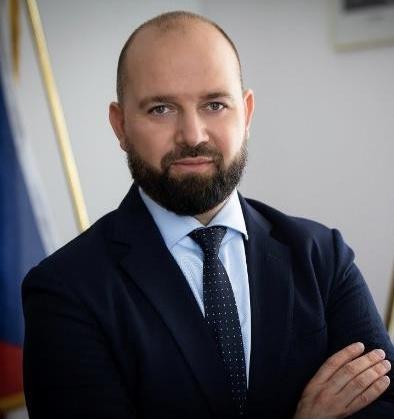
Timothy Garton Ash is Professor of European Studies, University of Oxford, Isaiah Berlin Professorial Fellow at St Antony’s College, Oxford, and a Senior Fellow at the Hoover Institution, Stanford University. He is the author of ten books of contemporary history and political writing, including most recently Free Speech: Ten Principles for a Connected World and a third edition of The Magic Lantern: The Revolution of ’89 Witnessed in Warsaw, Budapest, Berlin, & Prague, with a new chapter analysing developments over the last 30 years. He also writes a widely syndicated column on international affairs in the Guardian. In 2017, he was awarded the International Charlemagne Prize for services to European unity.
Year: 2022
-
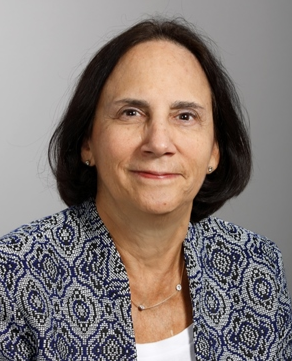
Toby Trister Gati
The Honorable Toby Trister Gati is President of TTG Global LLC, a consulting firm focusing on global political and economic trends. She is also a member of the Advisory Board of Netherlands-based Angara Global, a decarbonization tech company helping high-emission industries in the US, EU, Asia and Russia to abate millions of tons of Co2 emissions in a cost effective manner by boosting fuel efficiency.
For 6 years, until early March 2022, she was an Independent Member of the Board of Directors of PJSC LUKOIL and a member of the company’s Strategy, Investment, Sustainability and Climate Adaptation Committee. Previously, she worked for 20 years as a Senior International Adviser at Akin Gump Strauss Hauer & Feld LLC, an international law firm.
Mrs. Gati served in high-level positions in the White House as Special Assistant to President Clinton and Senior Director on Russia, Ukraine and the Eurasian States, and in the Department of State as Assistant Secretary for Intelligence and Research (INR) between 1993 and 1997. Mrs. Gati has two master’s degrees in Russian Studies from Columbia University. She is a member of the Council on Foreign Relations.
-
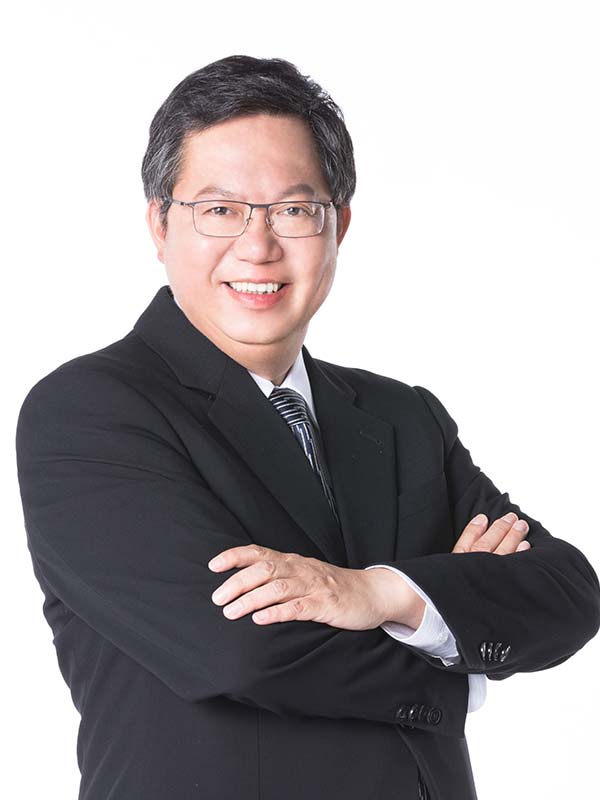
Wen-tsan Cheng
Mayor Cheng Wen-tsan received his B.A. in Sociology and M.A. in National Development from National Taiwan University. He has demonstrated his passion for politics since he was a university student. In 1990, when Cheng was serving as the vice president of NTU’s Student Association, he and his peers launched the Wild Lily Student Movement, a movement that eventually led to major reforms to the National Assembly and enabled democracy to flourish in Taiwan.
As Taiwan became democratized, Cheng served as a staff for political leaders and began participated in several elections, accumulating his political experiences. In 1988, Cheng was elected as a councilmember in Taoyuan County with a record-breaking number of votes. In 2006, Cheng was appointed as Minister of the Government Information Office in the Executive Yuan. During his term, Cheng focused his efforts on revitalizing Taiwan’s cultural and creative industry with the objective of shaping Taiwan as a major pop-culture hub in the Mandarin-speaking world.
Cheng was elected as mayor of Taoyuan at the age of 47. At the time, he was the youngest municipal mayor in Taiwan. He has shown his outstanding ability in city governance and earned a rating of “five-star mayor” for four consecutive years in nationwide media. Taoyuan, home to the nation’s largest international airport, is the gateway to Taiwan. During his term, Cheng proposed the concept of “airport economics,” highlighting Taiwan’s advantageous sectors, such as aviation, logistics and warehousing, e-vehicle and component manufacturing, the green industry, as well as IoT and ICT. In addition, many overseas Taiwanese business looking to relocate to Taiwan have chosen Taoyuan as their first choice of investment. Since Cheng took office, Taoyuan’s population growth has become the highest in the country. Taoyuan also boasts the youngest population in Taiwan, with an average citizen age of 39 years old. This population increase is largely credited to Cheng’s youth-oriented policies, emphasis on startups, and support for families.
-
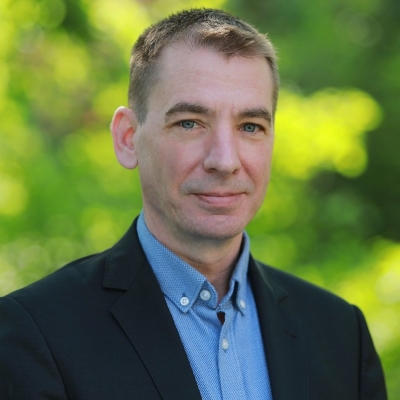
Benedek Jávor
Benedek Jávor is the Head of Representation at the Representation of Budapest in Brussels.
He is a Hungarian environmentalist and a founding member of Dialogue for Hungary party (Párbeszéd Magyarországért). He is also a member of the European Parliament for Together – Dialogue for Hungary Alliance (Együtt – Párbeszéd Magyarországért Választási Szövetség). He is first vice-chair of the Committee for Environment, Public Health and Food Safety and is a substitute member of the Committee of Industry, Research and Energy. In the 2010 general elections, he won a seat in the Hungarian National Assembly and was Chair of the Sustainable Development Committee for most of his mandate. Furthermore, Benedek is a founding member of the environmental NGO Védegylet (Protect the Future!) and holds a PhD. in biology. He is the author of several articles and publications on environmental threats, ‘going green’, and the future of the Earth.
-
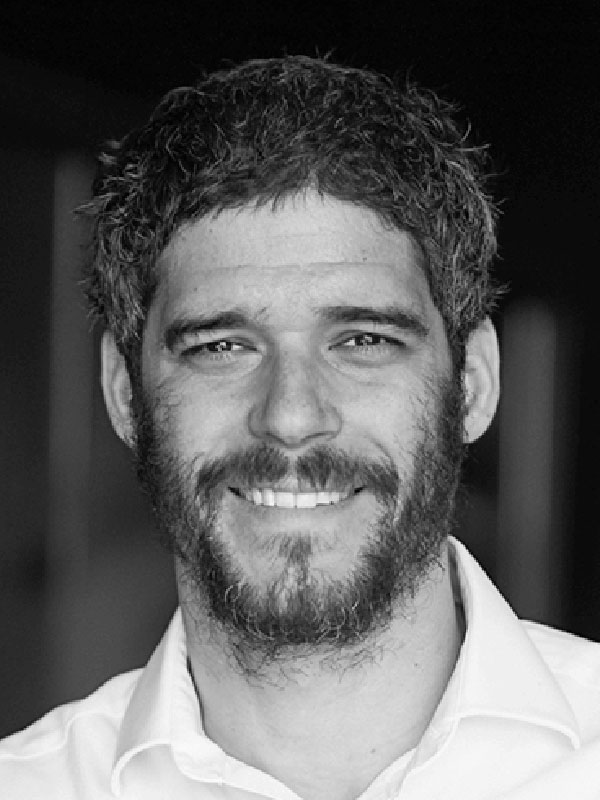
David Koranyi
David Koranyi is a foreign and energy policy specialist with experience in Budapest, Brussels, Washington, D.C., and New York. He currently serves as Senior Advisor on City Diplomacy to the Mayor of Budapest, Hungary, as a policy advisor on sustainable energy at the United Nations Department of Economic and Social Affairs, as a non-resident senior fellow for energy diplomacy at the Atlantic Council, and as strategic advisor at GLOBSEC.
-
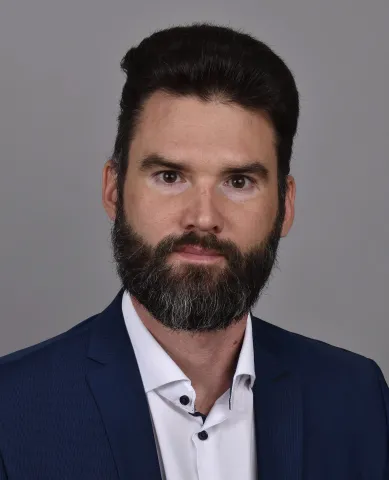
Dániel Hegedűs
Dániel Hegedüs is Deputy Director of the Institut für Europäische Politik. Previously, he was Regional Director for Central Europe at the German Marshall Fund of the United States (GMFUS). His research focuses on democratic and rule of law backsliding in the European Union, populism, and the European and foreign affairs of the Visegrad countries. He has studied political science, history, and European law at the Eötvös Loránd University Budapest and the Humboldt University in Berlin. Before joining GMFUS in 2019, he has worked in different research, lecturing, and program management positions at the German Council on Foreign Relations (DGAP), the German Institute for International and Security Affairs (SWP), Freedom House, the Institute for Eastern-European Studies at the Free University Berlin, Humboldt University to Berlin, and the Eötvös Loránd University Budapest. He is author of more than 50 academic and policy papers, and a frequent contributor to international media.